M.Tech Projects
Dr. Balasaheb Sawant Konkan Krishi Vidyapeeth, Dapoli, Maharashtra.
1. Design and Development of Mechanism for Operation of Curtains in Greenhouse
Mr. Shirke Prasad Santosh – Guide - Dr. Sandeep K. Jain, Department of Farm Structure, College of Agricultural Engineering and Technology, Dr. Balasaheb Sawant Konkan Krishi Vidyapeeth, Dapoli, Maharashtra.
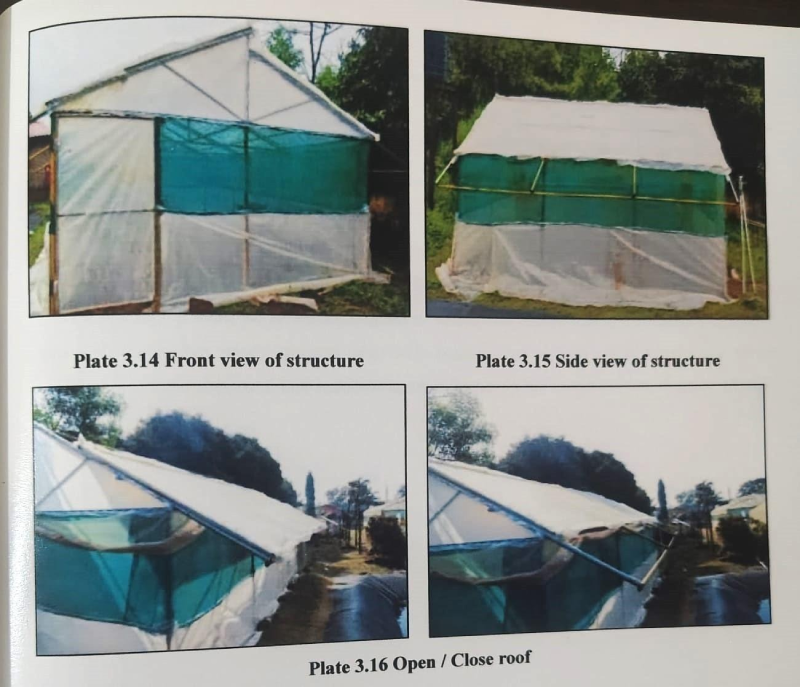
A mechanized and automated curtain operation system was developed for naturally ventilated greenhouses to improve environmental control by trapping heat and CO₂ during the night and reducing temperature during the day. Unlike traditional manually operated curtain systems, which are prone to rusting, uneven rolling, and time-consuming operation, the developed mechanism uses a single DC gear motor with bevel gears to automatically roll the side curtains based on the greenhouse's internal temperature. Performance evaluation showed that, at the ASPEE Research Farm, Tansa, the average maximum inside temperature increased by 9.0°C with curtains closed and 3.7°C with curtains open, while at the CAET Research Farm, Dapoli, the corresponding increases were 8.2°C and 4.1°C. The study also found that inside and outside relative humidity remained nearly the same when curtains were open, whereas inside humidity was lower than outside humidity when curtains were closed, demonstrating the effectiveness of the automated system in greenhouse climate management.
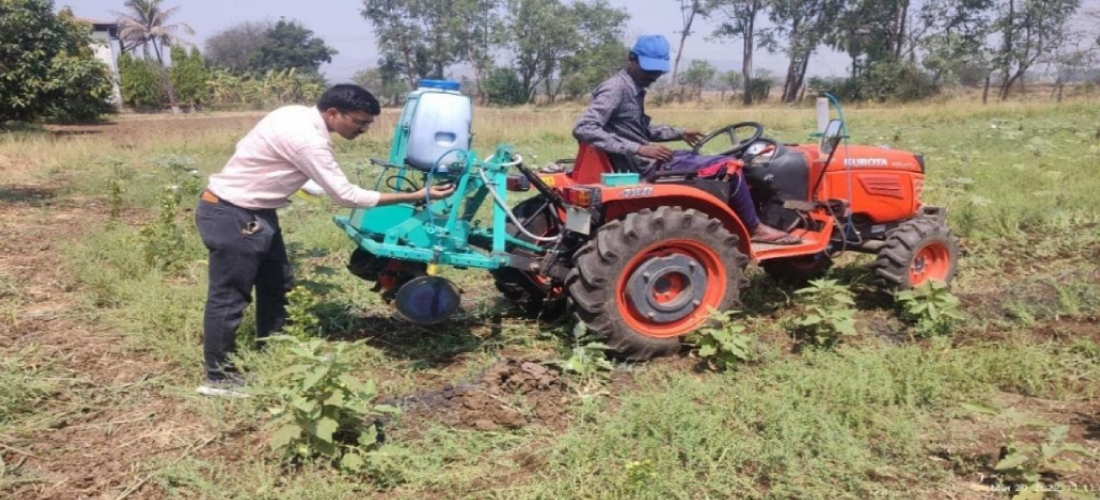
2. Development Of Tractor Operated Farm Yard Manure(FYM) Applicator, by Mr.Latpate NarsingJagannath , Department Of Farm Machinery And Power College Of Agricultural Engineering And Technology Vasantrao Naik Krishi Vidhyapeeth,Parbhani-431402, Maharashtra.
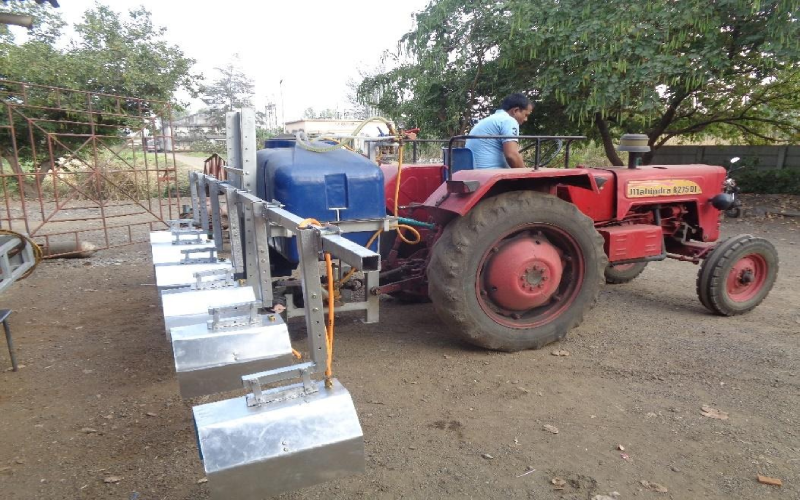
A tractor-operated Farm Yard Manure (FYM) applicator was developed to ensure uniform and precise application of organic manure while reducing labor and improving soil fertility. The machine consists of a hopper, agitator, adjustable slider plates, and interchangeable drilling and spreading attachments powered by the tractor PTO. The agitator effectively breaks manure clods, ensuring smooth material flow and uniform distribution. Field evaluation demonstrated an FYM application rate of 2,236 kg/ha, low fuel consumption (1.92–1.95 L/h), and power requirement of about 12 hp for both drilling and broadcasting operations. The developed applicator proved effective for both furrow application and surface spreading, offering a cost-effective, labor-saving, and efficient alternative to traditional manual manure application methods.
3. “Design and Development of Open Roof Mechanism for Greenhouse”
Mr. Amit Anandrav Gurav – Guide - Dr. Sandeep K. Jain, Professor & Head, Department of Farm Structure, College of Agricultural Engineering and Technology, Dr.Balasaheb Sawant Konkan Krishi Vidyapeeth, Dapoli, Maharashtra.
The open roof mechanism was developed for naturally ventilated greenhouses to overcome the limitations of fixed-roof structures by allowing direct sunlight to reach crops, thereby improving light intensity, flowering, and crop growth. The system uses a rack-and-pinion mechanism powered by a 0.25 hp DC geared motor to automatically open or close the roof based on environmental requirements. Performance was evaluated under four ventilation treatments by monitoring temperature and relative humidity using HOBO sensors. The automated open-roof operation (T4) provided the most favorable greenhouse microclimate compared to the other treatments and demonstrated reliable performance by opening or closing the roof within just 17 seconds.
4. “Study of Heat Stree Reduction Techniques for Enhancing Animal Comfort in Dairy Barn”
Ms. Pawar Ankita Balasaheb - – Guide - Dr. Sandeep K. Jain, Professor & Head, Department of Farm Structure, College of Agricultural Engineering and Technology, Dr.Balasaheb Sawant Konkan Krishi Vidyapeeth, Dapoli, Maharashtra.
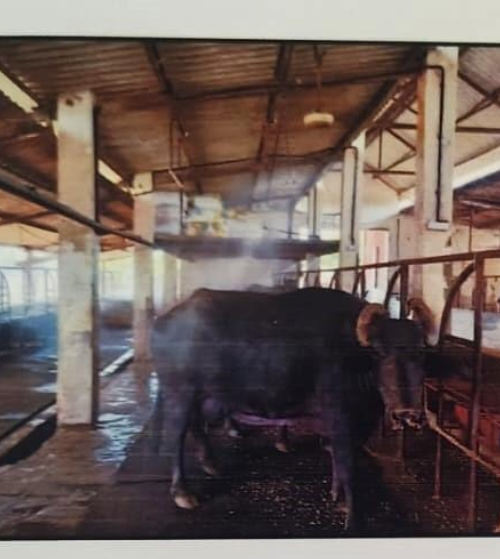
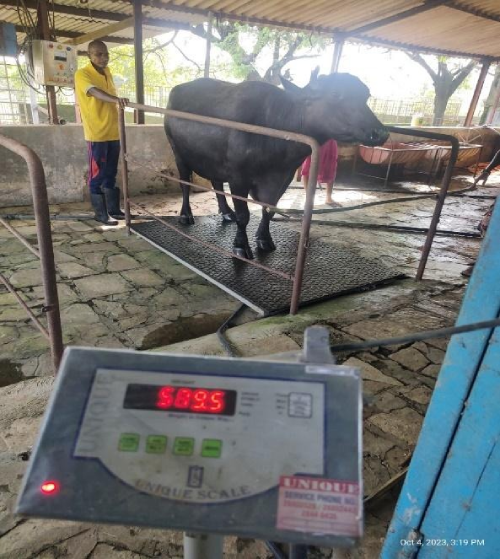
Buffaloes are highly susceptible to heat stress due to their limited physiological adaptation to extreme temperatures. A study on 20 Mehsana buffaloes evaluated four cooling treatments: sprinkler with ceiling fan, high-pressure fogging with ceiling fan, shed only, and no cooling (control). Environmental and physiological parameters, including temperature, relative humidity, rectal temperature, skin temperature, and respiration rate, were recorded. The sprinkler cooling system proved to be the most effective in maintaining buffaloes within the thermal comfort zone by reducing heat stress and keeping physiological responses within the optimum range, followed by the high-pressure fogging system. In contrast, buffaloes under shed-only and control conditions experienced greater heat stress, indicating that sprinkler cooling is the most efficient heat stress mitigation practice for improving buffalo comfort and productivity.
5. “Comparison of Silo Structure Types on Quality of Silage made from Crop Residue”
Ms. Chavan Maheshwari Mansing – Guide - Dr. Sandeep K. Jain, Professor & Head, Department of Farm Structure, College of Agricultural Engineering and Technology, Dr.Balasaheb Sawant Konkan Krishi Vidyapeeth, Dapoli, Maharashtra.
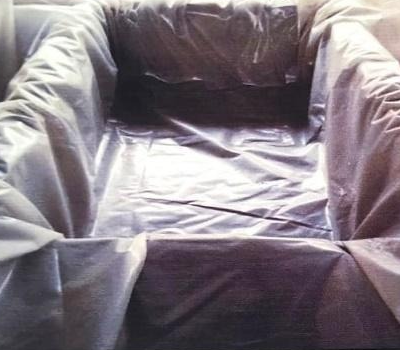
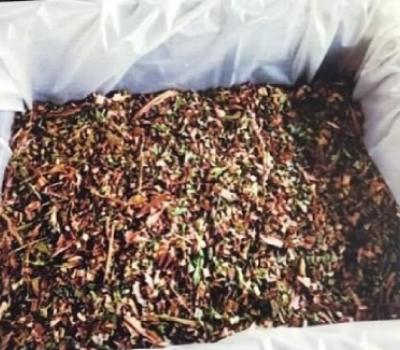
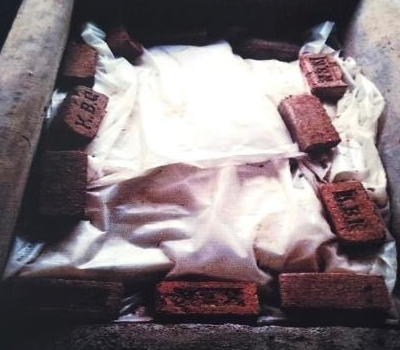
A comparative study was conducted to evaluate the effect of different silo types on silage quality using two treatments: with and without jaggery. Silage was prepared in horizontal surface, drum, bag, and aspirator bottle silos, and after 45 days, parameters such as pH, dry matter, crude protein, and temperature were assessed. The results showed that silage pH was nearly the same across all silo types regardless of jaggery addition, while the bag and aspirator bottle silos retained higher dry matter content. The bag silo also recorded the highest crude protein content and produced the best overall quality silage, indicating that it is the most suitable storage method for preserving fodder with minimal nutrient loss.
6. “Design and Development of Spraying System for Columnar Growing Orchards”
Ms. Korade Dhanashree Rajaram - Guide - Dr. Kishor G. Dhande, Professor (CAS), Department of Farm Machinary & Power Engineering, College of Agricultural Engineering and Technology, Dr.Balasaheb Sawant Konkan Krishi Vidyapeeth, Dapoli, Maharashtra.
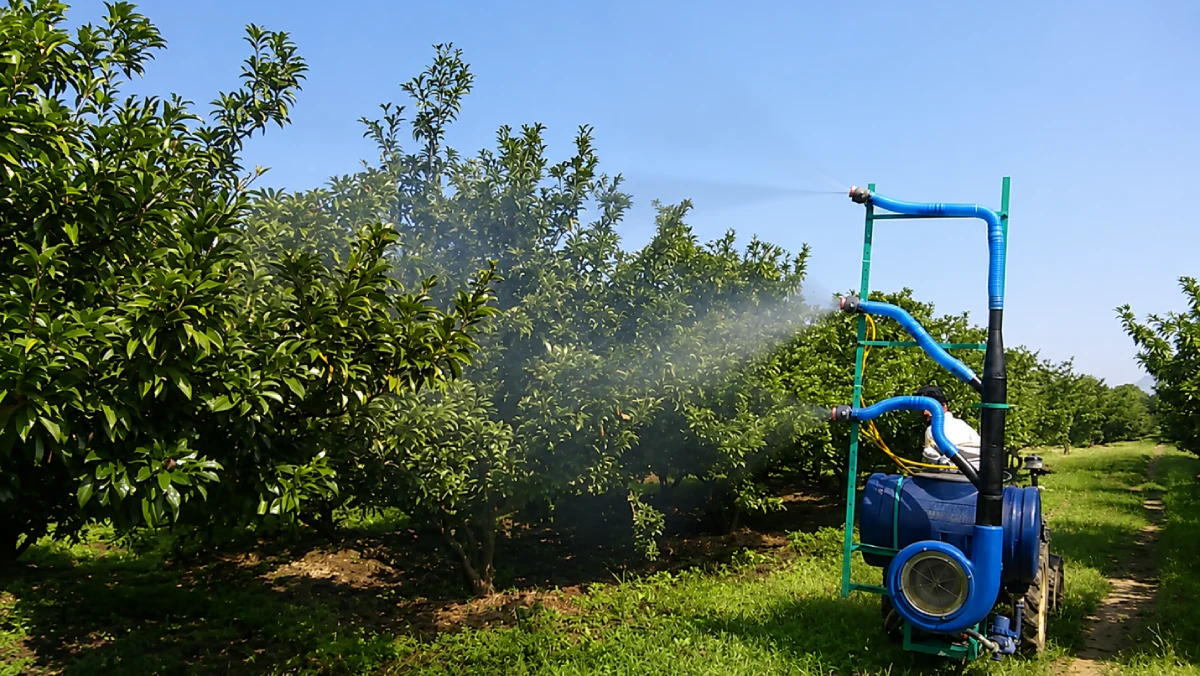
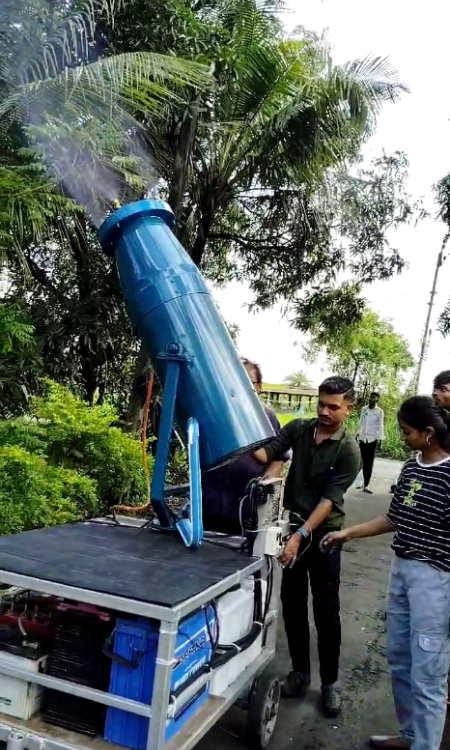
A columnar growth orchard sprayer was developed to improve pesticide application in tall coconut plantations by overcoming the limitations of conventional sprayers. The system features a four-degree-of-freedom rotating blower head powered by a 4 kW PMSM motor, with optimum blower performance achieved at 3000 rpm. Laboratory evaluation of three nozzle types identified the ATR80W nozzle at 5 kg/cm² pressure and 12.2 m spraying distance as the most effective, providing uniform droplet distribution and high droplet density. Field testing confirmed effective spray coverage on both the front and back of coconut leaves, demonstrating the sprayer's suitability for tall tree canopies. The developed sprayer costs ₹1,22,840, with an operating cost of ₹805.44 per hectare, making it an efficient and practical solution for coconut orchard spraying.
7. Mr. Shirke Prasad Santosh
A mechanized and automated curtain operation system was developed for naturally ventilated greenhouses to improve environmental control by trapping heat and CO₂ during the night and reducing temperature during the day. Unlike traditional manually operated curtain systems, which are prone to rusting, uneven rolling, and time-consuming operation, the developed mechanism uses a single DC gear motor with bevel gears to automatically roll the side curtains based on the greenhouse's internal temperature.
Performance evaluation showed that, at the ASPEE Research Farm, Tansa, the average maximum inside temperature increased by 9.0°C with curtains closed and 3.7°C with curtains open, while at the CAET Research Farm, Dapoli, the corresponding increases were 8.2°C and 4.1°C. The study also found that inside and outside relative humidity remained nearly the same when curtains were open, whereas inside humidity was lower than outside humidity when curtains were closed, demonstrating the effectiveness of the automated system in greenhouse climate management.
8. Mr.Latpate Narsing Jagannath
A tractor-operated Farm Yard Manure (FYM) applicator was developed to ensure uniform and precise application of organic manure while reducing labor and improving soil fertility. The machine consists of a hopper, agitator, adjustable slider plates, and interchangeable drilling and spreading attachments powered by the tractor PTO. The agitator effectively breaks manure clods, ensuring smooth material flow and uniform distribution.
Field evaluation demonstrated an FYM application rate of 2,236 kg/ha, low fuel consumption (1.92–1.95 L/h), and power requirement of about 12 hp for both drilling and broadcastin g operations. The developed applicator proved effective for both furrow application and surface spreading, offering a cost-effective, labor-saving, and efficient alternative to traditional manual manure application methods.
9. Mr. Amit Anandrav Gurav
The open roof mechanism was developed for naturally ventilated greenhouses to overcome the limitations of fixed-roof structures by allowing direct sunlight to reach crops, thereby improving light intensity, flowering, and crop growth. The system uses a rack-and-pinion mechanism powered by a 0.25 hp DC geared motor to automatically open or close the roof based on environmental requirements.
Performance was evaluated under four ventilation treatments by monitoring temperature and relative humidity using HOBO sensors. The automated open-roof operation (T4) provided the most favorable greenhouse microclimate compared to the other treatments and demonstrated reliable performance by opening or closing the roof within just 17 seconds.
10. Ms. Pawar Ankita Balasaheb
Buffaloes are highly susceptible to heat stress due to their limited physiological adaptation to extreme temperatures. A study on 20 Mehsana buffaloes evaluated four cooling treatments: sprinkler with ceiling fan, high-pressure fogging with ceiling fan, shed only, and no cooling (control). Environmental and physiological parameters, including temperature, relative humidity, rectal temperature, skin temperature, and respiration rate, were recorded.
The sprinkler cooling system proved to be the most effective in maintaining buffaloes within the thermal comfort zone by reducing heat stress and keeping physiological responses within the optimum range, followed by the high-pressure fogging system. In contrast, buffaloes under shed-only and control conditions experienced greater heat stress, indicating that sprinkler cooling is the most efficient heat stress mitigation practice for improving buffalo comfort and productivity.
11. Ms. Chavan Maheshwari Mansing
A comparative study was conducted to evaluate the effect of different silo types on silage quality using two treatments: with and without jaggery. Silage was prepared in horizontal surface, drum, bag, and aspirator bottle silos, and after 45 days, parameters such as pH, dry matter, crude protein, and temperature were assessed.
The results showed that silage pH was nearly the same across all silo types regardless of jaggery addition, while the bag and aspirator bottle silos retained higher dry matter content. The bag silo also recorded the highest crude protein content and produced the best overall quality silage, indicating that it is the most suitable storage method for preserving fodder with minimal nutrient loss.
12. Ms. Korade Dhanashree Rajaram
A columnar growth orchard sprayer was developed to improve pesticide application in tall coconut plantations by overcoming the limitations of conventional sprayers. The system features a four-degree-of-freedom rotating blower head powered by a 4 kW PMSM motor, with optimum blower performance achieved at 3000 rpm. Laboratory evaluation of three nozzle types identified the ATR80W nozzle at 5 kg/cm² pressure and 12.2 m spraying distance as the most effective, providing uniform droplet distribution and high droplet density.
Field testing confirmed effective spray coverage on both the front and back of coconut leaves, demonstrating the sprayer's suitability for tall tree canopies. The developed sprayer costs ₹1,22,840, with an operating cost of ₹805.44 per hectare, making it an efficient and practical solution for coconut orchard spraying.